How to run a harbor start in Rust and turn a tiny fishing village into a full wipe
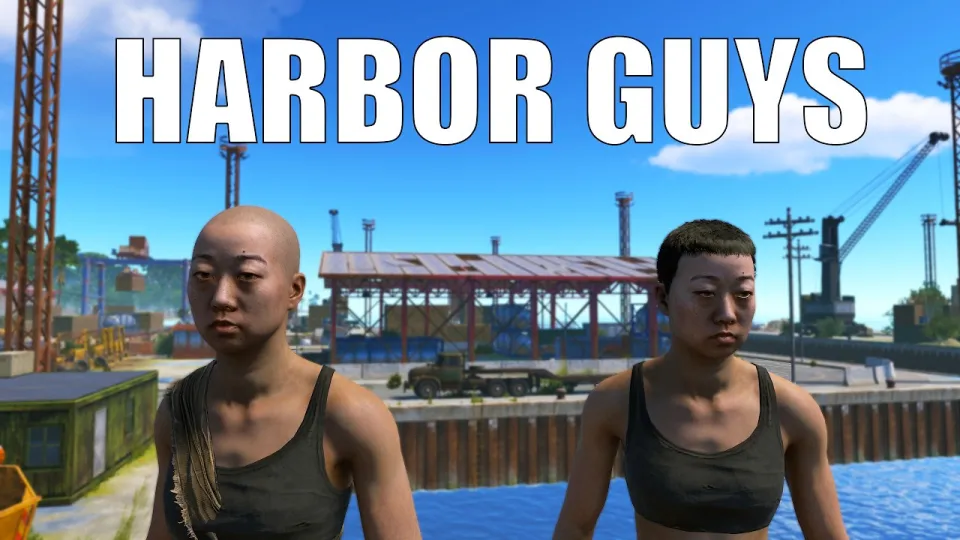
Video: harbor guys
Want articles like this for your own video to promote it on YouTube and Google? Order them through the Telegram bot @sat_sit_bot. It writes articles around your video, embeds the video and publishes them on popular niche websites (no ads). Free trial — 50 articles.
· based on the channel spoonkid2
A harbor start in Rust means spawning on the coast, building a small base near a harbor monument and using the barrels, crates and diving loot around it to fund your first workbench without ever crossing a road. It is one of the safest openings for a solo player: low traffic, short recycling trips and a guaranteed boat spawn make it a reliable way to get to tier-one gear. If you also want a discount on the snacks that fuel a long wipe session, you can grab 50% off your first Factor box plus free breakfast for a year.
Why the harbor is the best low-risk start for a solo in Rust
A harbor is a compact monument with no radiation, no puzzle doors and no need for keycards, which means a naked with a rock can loot it on day one. The layout is predictable: a few warehouse buildings, a pier with barrels, a crane area and a diving spot in the water just offshore. Because it sits on the coastline, foot traffic is low — most players run roads and inland monuments instead.
The practical benefits stack up quickly:
- Barrels and crates respawn frequently and are spread over a small area, so a single loop takes two to three minutes.
- The recycler is on site, letting you convert components into scrap without carrying loot across the map.
- A boat spawns at the pier, which unlocks diving, cargo ship and oil rig runs later.
- The water gives you an escape route; most attackers arrive on foot and cannot chase you into the sea.
- Building space nearby is flat and cheap, so a 1x1 or 2x1 starter goes up fast.
The first hour: what to do step by step
Start by gathering wood and stone with a rock, then place a small base within sight of the monument but not on top of it. A starter of two foundations with a triangle airlock is enough for the first night. Prioritise a furnace and a workbench level one over extra walls.
Then run the harbor loop in this order:
- Loot the pier barrels first, since they are the most exposed and the most contested.
- Check the warehouse buildings for crates and any loose components.
- Recycle everything you do not need immediately: tarp, rope, sewing kits and extra metal fragments become scrap fast.
- Craft a bow and arrows before a melee weapon; harbor fights are usually ranged.
- Build a small stash box hidden outside the base for your scrap so a raid does not wipe your progress.
With a decent loop you can expect enough scrap for a workbench, a research table and a couple of key blueprints inside the first hour, which is the whole point of picking a quiet monument.
Harbor parkour, crane jumps and why they matter
The harbor's cranes, containers and rooftops are a favourite spot for jump challenges, and they are harder than they look: the gaps are wide, the landing surfaces are narrow and a fall costs health or a full death. Players regularly burn an hour or more trying to land a single jump onto a roof, which is exactly the kind of thing that turns a survival session into a comedy.
For practical purposes, treat the parkour as optional. If you want to attempt it, build a sleeping bag nearby first, carry bandages and never try it while holding your only gun. The cranes do give a strong vantage point over the monument and the water approach, so a quick climb is a legitimate way to check for campers before you loot.
Sea routes, cargo ship and the harbor base advantage
A harbor base makes the water your main highway. Because a boat spawns at the pier, you can reach diving sites, the cargo ship and offshore monuments without crossing the map on foot. The cargo ship is the natural upgrade: it carries large amounts of loot, but boarding it alone is risky and most solo attempts end with a swim back to shore.
The rule of thumb is to scout before you commit. Watch the ship's route, check whether other boats are already nearby, and only board when you have a clear escape. Bring a diving tank and fins if you have them, and store the loot in a boat-mounted box rather than carrying everything on your body.
Common mistakes that get harbor players killed
Most deaths at a harbor start come from routine, not from skill gaps. The following habits cause the majority of early wipes:
- Looting the pier first with no weapon and no escape plan.
- Recycling a full inventory of components in one trip instead of banking scrap early.
- Building directly against the monument wall, where every passing player sees the base.
- Ignoring the water line; attackers swimming in from the sea are easy to miss.
- Hoarding loot in the base instead of splitting it between a stash and a second small box.
A second, quieter base a short swim away solves most of these problems and costs almost nothing.
Where to find the links from the video
All official links from the harbor episode in one place:
- Factor discount: https://bit.ly/4llfc7n
- Monke clothing store: https://monke.clothing
- Spoonkid Rust servers Discord: https://discord.gg/spoonkidrust
- Monke clothing Instagram: https://www.instagram.com/monkeclothing/
- Monke clothing Twitter: https://twitter.com/monkeclothing
What the harbor episode shows about long-form Rust content
The harbor video works because it is not a highlight reel: it is a long, slow session where the entertainment comes from the company, the editing and the small disasters. Viewers responded most to the parkour attempts, the music cues and the running joke about being "harbor guys" while quietly disposing of a teammate's body in the ocean. The lesson for your own wipe is simple — a quiet monument start gives you the time and safety to actually enjoy the game instead of fighting for a road spawn.
For a full breakdown of this kind of session, the video comes from the channel spoonkid2, edited by Dinkbot. If you want to support the channel and stock up for your next wipe, claim the Factor discount through the link from the video before you start your run.
Key takeaways
- Harbor monuments are small, low-radiation coastal spawns that give solos a safe first base location and quick access to barrels, crates and a diving spot.
- A harbor start typically yields enough scrap for a workbench and a few key blueprints within the first hour if you recycle everything you find.
- Harbor jumps and parkour on the monument's cranes and containers are a classic Rust time sink and a frequent source of funny moments on stream.
- Cargo ship and other sea events are the natural next step from a harbor base, since you already control the water route and have a boat nearby.
- Spoonkid2's harbor-themed video is a long-form solo survival episode edited by Dinkbot, with a light roleplay tone rather than a sweat-heavy grind.
Source: harbor guys · Markdown version
Questions & answers
Is a harbor a good spawn for a solo player in Rust?
Yes. Harbors have no radiation, no keycards and a recycler on site, so a solo can loot and recycle from the first minute. Traffic is low because most players prefer roads and inland monuments, which makes it one of the safest places to build a starter base.
How much scrap can I expect from a harbor run?
A single full loop of barrels and crates, recycled properly, usually produces enough scrap for a workbench level one plus a research table within the first hour. Banking that scrap in a hidden stash before you spend it is what keeps the start stable.
Should I try the harbor crane jumps?
Only as a side activity. The jumps are genuinely difficult and a fall can kill you, so place a sleeping bag nearby, carry bandages and never attempt them while holding your only weapon. The cranes are more useful as a vantage point to check for campers.
Can I do cargo ship from a harbor base as a solo?
It is possible but risky. A harbor gives you a boat spawn and a short route to the ship, but solo boarding often ends badly if other players are nearby. Scout the route first, bring diving gear and keep your loot in a boat box rather than on your body.